
Behind the video
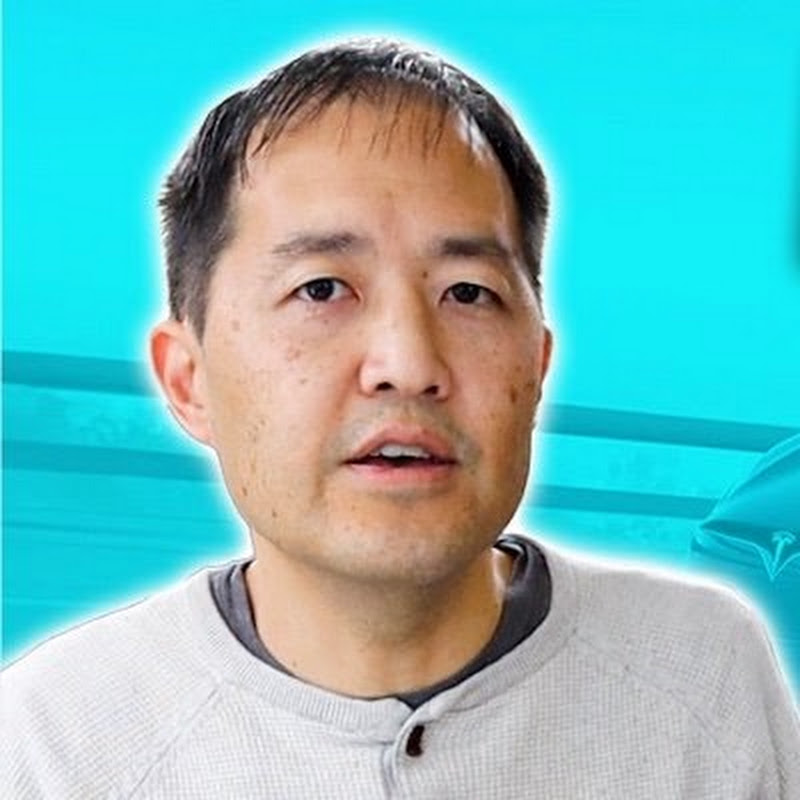
Why We're Excited About Tesla's Future w/Farzad Mesbahi
Overall Thesis
Dave Lee and Farzad Mesbahi discuss the significance of Tesla's shareholder vote reapproving Elon Musk's compensation and the Texas redomestication, then build an extended bull case for Tesla centered on FSD's exponential improvement, an imminent robotaxi rollout, the Cybercab's design and cost advantages, and the long-term potential of Optimus. They argue Tesla's vertically integrated robotaxi network gives it an overwhelming edge that will hurt incumbent ride-hailing companies.
Narratives
 TSLATesla
Both speakers see Tesla's recent shareholder vote as reinforcing the market's confidence in Elon Musk, FSD, and robotaxi as the company's future, and argue Tesla has a multi-year, possibly insurmountable lead in self-driving and humanoid robotics due to its chip, compute, and data advantages.
Key Arguments
- The shareholder vote reaffirming Elon's compensation and reapproving him as CEO removes a major overhang and signals confidence in the FSD/robotaxi/Optimus roadmap
- Tesla's vision-only, intelligence-first approach to self-driving is seen as the only genuinely scalable solution versus HD-map/geofenced competitors like Waymo
- Tesla likely launches a small, controlled robotaxi market within about 12 months, with a possible human-in-the-loop remote monitoring approach initially
- Tesla's first-mover advantage, app, and vertically integrated cost structure (lowest cost per mile) could let it dominate ride-hailing once robotaxi scales
- Optimus represents a potentially enormous long-term value driver once it becomes useful enough to hit the P&L, compounding through falling manufacturing costs and improving AI capability
- Tesla had a roughly six-to-eight year head start by installing neural-net inference hardware in cars years before the software stack was ready
Risks acknowledged
- Wall Street has refused to assign valuation to FSD progress despite real-world improvements, wanting proof in financial results first
- There could be an unknown technical limiter that caps miles-per-intervention scaling, raising doubts about true scalability
- Sandy Munro and others argue stainless steel construction for Cybercab would be too complex and costly to manufacture at scale
- The exact timing of both the robotaxi safety crossover and Optimus's path to usefulness remains highly uncertain
 LYFTLyft
The hosts group Lyft with Uber as a ride-hailing incumbent that would struggle to compete once Tesla's cheaper, vertically integrated robotaxi network scales, saying they would not want to be investors.
Key Arguments
- Tesla's robotaxi cost per mile could be 50-75% lower than Lyft's, eliminating its competitive position
- Tesla's first-mover advantage and dedicated app would make it difficult for Lyft to compete for riders once Tesla's network launches
- Gaining a foothold against Tesla in even one city would require heavy subsidization and losses
Predictions (1)
 UBERUber Technologies
The hosts argue Uber's ride-hailing business is vulnerable to Tesla's vertically integrated, much cheaper robotaxi network, concluding they would not want to be investors in the company.
Key Arguments
- Tesla's robotaxi cost per mile could be 50-75% lower than Uber's, eliminating Uber's competitive position
- Tesla's first-mover advantage with its own app and brand would make it very difficult for Uber to win back usage once Tesla's network launches
- A competitor trying to gain a foothold in even one city would need to heavily subsidize rides and lose significant money to compete with Tesla
Predictions (1)
Hedges & Caveats
- Markets likely won't give Tesla credit for FSD/Optimus until it shows up consistently in the P&L
- The vision-only approach could hit an unknown limiter that caps miles-per-intervention scaling
- Exact timing of a safety crossover point and robotaxi rollout markets is uncertain (plus or minus six months)
- Speaker explicitly says he doesn't want to predict Tesla's stock price directly
- Optimus's path to usefulness and P&L impact is likely a decade or more away